
How to Test If an Outlet Is Wired Correctly
A dead or miswired outlet is more than an inconvenience. Here is how to test if an outlet is wired correctly in Findlay, Ohio, and what the results mean.
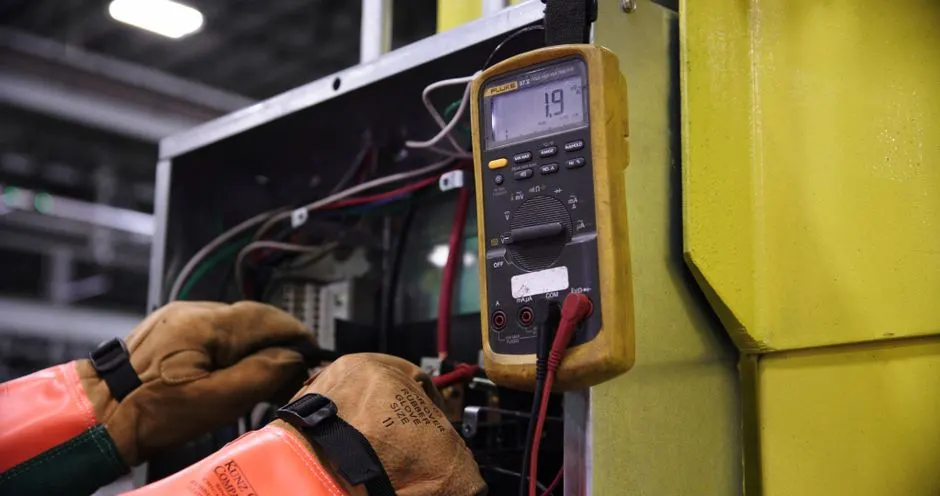
To test if an outlet is wired correctly, plug a receptacle tester into the outlet and check that only the correct lights illuminate-typically the two amber lights for a standard three-wire circuit. If the tester shows any other combination, or if it shows no lights at all, the outlet has a wiring fault that needs attention. You can also use a multimeter to measure voltage between the hot, neutral, and ground slots; correct readings are 120 volts between hot and neutral, 120 volts between hot and ground, and 0 volts between neutral and ground. This guide walks you through both methods, explains what the results mean, and covers the mistakes we see most often in Findlay homes.
Before you grab a tester, know that a correctly wired outlet is one where the hot wire (black or red) connects to the brass screw, the neutral wire (white) connects to the silver screw, and the ground wire (bare copper or green) connects to the green screw. The outlet should also be grounded to the metal box if the box is metal. If any of these connections are wrong, the outlet may still work, but it creates a shock or fire hazard.
What You Need Before You Start
Testing an outlet takes about five minutes per receptacle and requires only a few inexpensive tools. You do not need to remove the outlet from the wall for a basic test, but you will need to turn off power if you plan to inspect the wiring behind it.
- Receptacle tester (also called an outlet tester or GFCI tester) - $10-$20 at any hardware store. This is the fastest tool for checking correct wiring.
- Digital multimeter - $20-$50. Use this if you want exact voltage readings or if the tester gives ambiguous results.
- Non-contact voltage tester - $15-$30. This tells you if power is present before you touch any wires.
- Screwdriver - for removing the outlet cover plate if you need to inspect connections.
Always test on a circuit you can safely access. If the outlet is in a wet location, like a kitchen or bathroom, it should be a GFCI outlet. Those have their own test and reset buttons, and they protect you from shock. If your Findlay home still has ungrounded two-prong outlets, a tester will not give you a full picture-you will need a multimeter to check for voltage and then call an electrician to discuss grounding options.
How to Test an Outlet with a Receptacle Tester
A receptacle tester is the tool most electricians grab first because it gives a clear pass/fail answer in seconds. Here is how to use it:
- Plug the tester into the outlet. The lights on the tester will illuminate in a specific pattern.
- Compare the pattern to the chart printed on the tester or in its manual. For a standard grounded outlet, the correct pattern is usually the two amber lights on the right (or the two outer lights, depending on the model).
- If the tester shows a different pattern, note which lights are on. Common patterns indicate open ground, open neutral, open hot, hot/neutral reversed, or hot/ground reversed.
- Press the test button on a GFCI tester if you are checking a GFCI outlet. The outlet should trip and cut power. Press reset to restore power.
If the tester indicates a fault, do not ignore it. An open ground means the outlet has no path to ground, which is a shock hazard. A hot/neutral reversal means the wires are connected to the wrong terminals, which can damage electronics and create a fire risk. We see these issues often in older Findlay neighborhoods where DIY wiring has been added over the years.
How to Test an Outlet with a Multimeter
A multimeter gives you exact voltage readings and can confirm a tester's diagnosis. Set your multimeter to AC voltage (usually labeled V~ or ACV) and select a range that includes 120 volts, or set it to auto-range if available.
- Insert one probe into the hot slot (the smaller vertical slot) and the other into the neutral slot (the larger vertical slot). You should read approximately 120 volts.
- Insert one probe into the hot slot and the other into the ground slot (the round hole). You should again read approximately 120 volts.
- Insert one probe into the neutral slot and the other into the ground slot. You should read 0 volts.
If any reading is significantly off-say, 0 volts where you expect 120, or 120 volts where you expect 0-the outlet is miswired. A reading of 0 volts between hot and neutral means the circuit is dead, which could be a tripped breaker or a loose connection. A reading of 120 volts between neutral and ground is a serious fault that indicates the neutral and ground are reversed or the ground is carrying current.
For a more thorough check, turn off the power at the breaker and remove the outlet from the box. Inspect the wiring: black wire to brass screw, white wire to silver screw, ground wire to green screw. Also check that the wires are stripped to the correct length (about 3/4 inch) and that no bare copper is touching the wrong terminal. If you are not comfortable doing this, stop and call a licensed electrician.
What the Readings Mean
Understanding the results helps you decide whether to fix it yourself or call a pro. Here is a quick reference for the most common tester patterns and multimeter readings:
- Correct wiring: Tester shows the two amber lights; multimeter reads 120V hot-neutral, 120V hot-ground, 0V neutral-ground.
- Open ground: Tester shows one light (often the middle or right); multimeter reads 120V hot-neutral but 0V hot-ground. This means the outlet is not grounded. It is common in older homes with two-prong outlets or where the ground wire was not connected.
- Open neutral: Tester shows one light; multimeter reads 0V hot-neutral but 120V hot-ground. The neutral wire is disconnected somewhere upstream. This can cause lights to flicker and electronics to malfunction.
- Open hot: Tester shows no lights; multimeter reads 0V on all combinations. The hot wire is disconnected or the breaker is off.
- Hot/neutral reversed: Tester shows a specific pattern (often the two left lights); multimeter reads 120V hot-neutral but the neutral slot is actually hot. This is a shock hazard even though the outlet works.
- Hot/ground reversed: Tester shows a pattern; multimeter reads 120V between neutral and ground. This is rare but dangerous-it means the ground wire is carrying current.
If you see any of these faults, the outlet needs to be rewired. In some cases, the fix is as simple as swapping the black and white wires on the outlet. In others, the problem is upstream at another outlet or in the panel. If you are not sure, call us. We troubleshoot these issues every day in Findlay and can tell you exactly what is wrong.
Common Mistakes We See in Findlay Homes
After years of wiring homes in Findlay, we have seen just about every mistake. Here are the ones that come up most often:
- Back-stabbing wires: Many homeowners use the push-in connectors on the back of outlets because they are fast. Over time, these connections loosen and cause flickering or dead outlets. We always use the screw terminals for a secure connection.
- Not grounding metal boxes: If the electrical box is metal, it must be grounded. We often find boxes with no ground wire attached, which means the outlet is ungrounded even if it has a ground slot.
- Reversed polarity: This happens when the black wire is connected to the silver screw and the white wire to the brass screw. It is easy to do if you are not paying attention, and it can damage sensitive electronics.
- Overloaded circuits: Adding too many outlets or high-draw appliances to one circuit can cause the breaker to trip or the wires to overheat. If you are adding a new outlet, consider a dedicated circuit.
- Using the wrong wire gauge: For a 15-amp circuit, use 14-gauge wire; for a 20-amp circuit, use 12-gauge. Using undersized wire is a fire hazard.
We also see a lot of DIY wiring that was never inspected. If you are buying a home in Findlay, it is worth having an electrician check the outlets. A simple tester can reveal problems that a home inspector might miss.
When to Call a Professional
If your tester shows a fault and you are not comfortable working inside an electrical box, call a licensed electrician. We handle everything from simple outlet replacements to whole-home rewiring. If you have multiple outlets with issues, it often points to a larger problem like a failing circuit breaker or outdated wiring. In that case, we may recommend a Circuit Breaker Replacement Findlay OH or a full Whole Home Rewiring Findlay OH to bring your home up to code.
We also install new outlets and circuits for homeowners who need more power. If you are adding a home office, a workshop, or a new appliance, we can run a Dedicated Circuit Installation Findlay OH to handle the load safely. And if you are upgrading to GFCI protection in your kitchen or bathroom, we offer GFCI Outlet Installation Findlay OH that meets current code.
If you are not sure whether your outlet is safe, give us a call. We will test it, explain what we find, and give you an upfront price before we do any work. No surprises.
Frequently Asked Questions
How do I know if my outlet is wired backwards?
Plug a receptacle tester into the outlet. If it shows the pattern for hot/neutral reversed (usually the two left lights), the black and white wires are swapped. A multimeter will read 120 volts between the hot slot and neutral slot, but the neutral slot is actually hot. This is a shock hazard and should be fixed by an electrician.
Can I test an outlet with a multimeter?
Yes. Set the multimeter to AC voltage and measure between the hot and neutral slots (should be 120V), hot and ground (120V), and neutral and ground (0V). Any other reading indicates a wiring fault. Always test with the power on, and never touch the probes to each other or to your skin.
What does it mean if my outlet tester shows an open ground?
An open ground means the outlet has no connection to the earth ground. This can happen if the ground wire is not connected, if the circuit has no ground wire (common in older homes), or if the ground path is broken. It is a shock hazard, especially for appliances with metal cases. Call an electrician to evaluate and fix the grounding.
Why does my outlet tester show no lights?
No lights on the tester usually means there is no power at the outlet. Check the circuit breaker to see if it is tripped, and test other outlets on the same circuit. If the breaker is on and other outlets work, the problem is likely a loose connection at the dead outlet or upstream. Turn off the power and inspect the wiring, or call a professional.
How much does it cost to fix a miswired outlet in Findlay?
Typical 2026 pricing in Findlay for a simple outlet repair ranges from $75 to $150, including the service call and the fix. If the problem is more involved-like a broken wire in the wall or a faulty breaker-the cost can be higher. We provide upfront pricing before we start any work.
Get Help with New Circuit Installation & Rewiring in Findlay
If your outlet test reveals a problem you would rather not tackle yourself, we are here to help. Circuit & Rewiring Pros is a local, licensed electrical contractor serving Findlay and the surrounding area. We test, repair, and install outlets, circuits, and panels-and we do it right the first time.
Call us at +14197996088 to schedule a visit. We will diagnose the issue, explain your options, and give you a clear price before we begin.